

Prenatal Genetic Testing
Empowering Expecting Mothers with Early, Safe, and Personalized Prenatal Insights
Our NIPT screens for chromosomal issues as early as 10 weeks. Safe, accurate, and tailored for all pregnancies, it delivers fast results to support a healthy, informed pregnancy journey.
- NIPT analyzes fetal DNA with >99% sensitivity for Down syndrome and chromosomal abnormalities as early as 10 weeks, offering a risk-free alternative to invasive tests.
- NIPT is available for singleton, twin, IVF, and donor pregnancies, detecting trisomies, sex chromosome aneuploidies, and microdeletions.
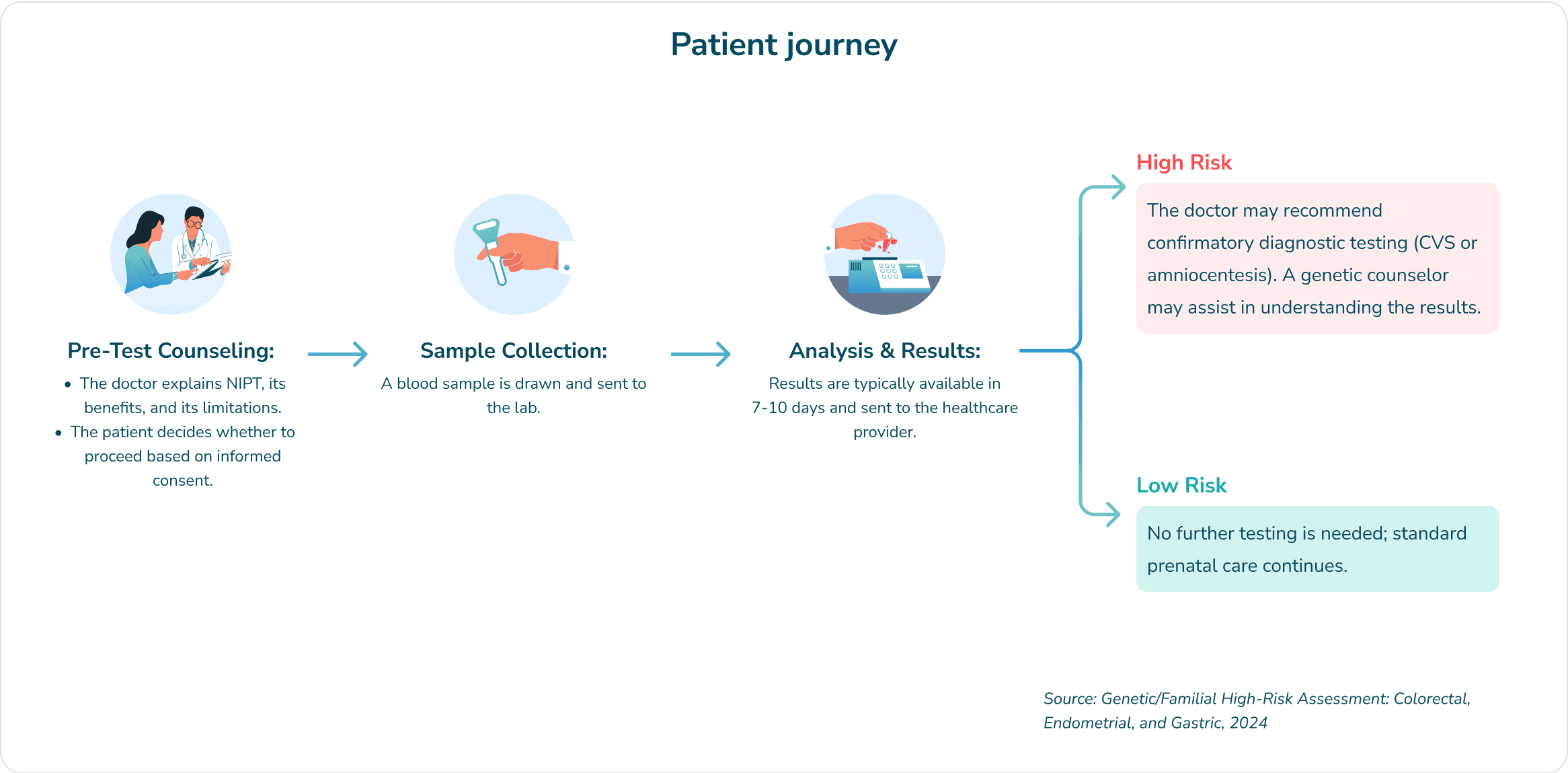
- Performed in certified labs, results are available in 7–10 days with clear guidance for next steps, including genetic counseling and confirmatory testing if needed.
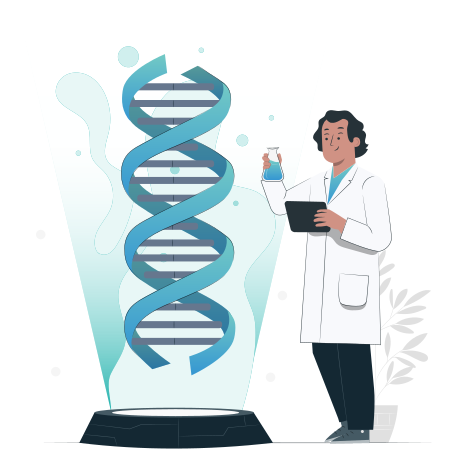
Backed by Science, Built for You
Non-Invasive Prenatal Testing (NIPT) is a cutting-edge screening method that analyzes cell-free fetal DNA (cffDNA) in a pregnant woman's blood to assess the risk of common chromosomal conditions. Unlike traditional invasive diagnostic tests such as amniocentesis or chorionic villus sampling (CVS), NIPT is safe, highly accurate, and can be performed as early as 10 weeks of pregnancy.
Why is NIPT Important?
- Chromosomal abnormalities occur in 1 in 150 live births, with Down syndrome (Trisomy 21) being the most common.
- NIPT has a detection rate of over 99% for Trisomy 21 and high sensitivity for other conditions like Trisomy 18 (Edwards syndrome) and Trisomy 13 (Patau syndrome).
- Compared to traditional first-trimester screening (which includes ultrasound and serum markers), NIPT offers higher accuracy and reduces unnecessary invasive procedures.
Who Should Consider NIPT?
NIPT is available for singleton and twin pregnancies. Some tests also support pregnancies conceived via egg donation or surrogacy.
Why Choose us
We can help you:
Child Syndrome
- Trisomy 21 (Down Syndrome): Sensitivity (>99%), Specificity (>99%), Positive Predictive Value (PPV) is High
- Trisomy 18 (Edwards syndrome): Sensitivity (97-99%). Positive Predictive Value (PPV) is Moderate
- Trisomy 13 (Patau syndrome): Sensitivity (80-99%). Specificity (>99%). Positive Predictive Value (PPV) is Moderate
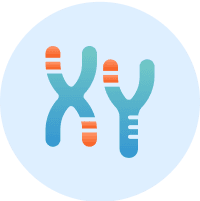
Sex Chromosome Aneuploidies (Monosomy X, XXY, XYY, XXX)
Sensitivity (90-95%), Specificity (>99%), Positive Predictive Value (PPV) is Varies

Microdeletions
Sensitivity 70-90%, Specificity (>99%), Positive Predictive Value (PPV) is Varies
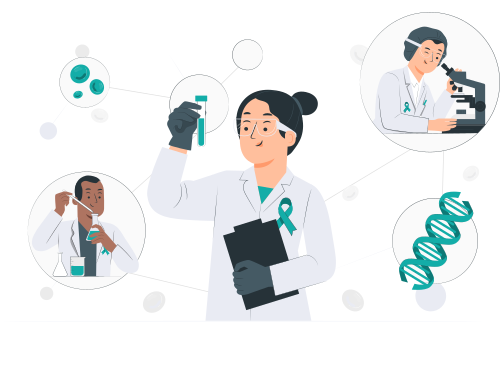
Fast, Secure, & Science-Backed Testing
Where It's Done:
- Sample collection is done at partner hospitals, clinics, or desginated collection centers.
- Home sample collection options may be available in certain regions.
Test Process:
- A small blood sample (typically 10ml) is drawn from the mother's arm
- The sample is sent to a specialized CAP/CLIA-certified laboratory for processing.
- Result are analyzed using high-throughput sequencing and bioinformatics analysis.
Turnaround Time (TAT):
- 7-10 days or standard tests.
- Expedited options may be available upon request.
What Happens After You Get Your Results?
Backed by Science, Trusted by Experts


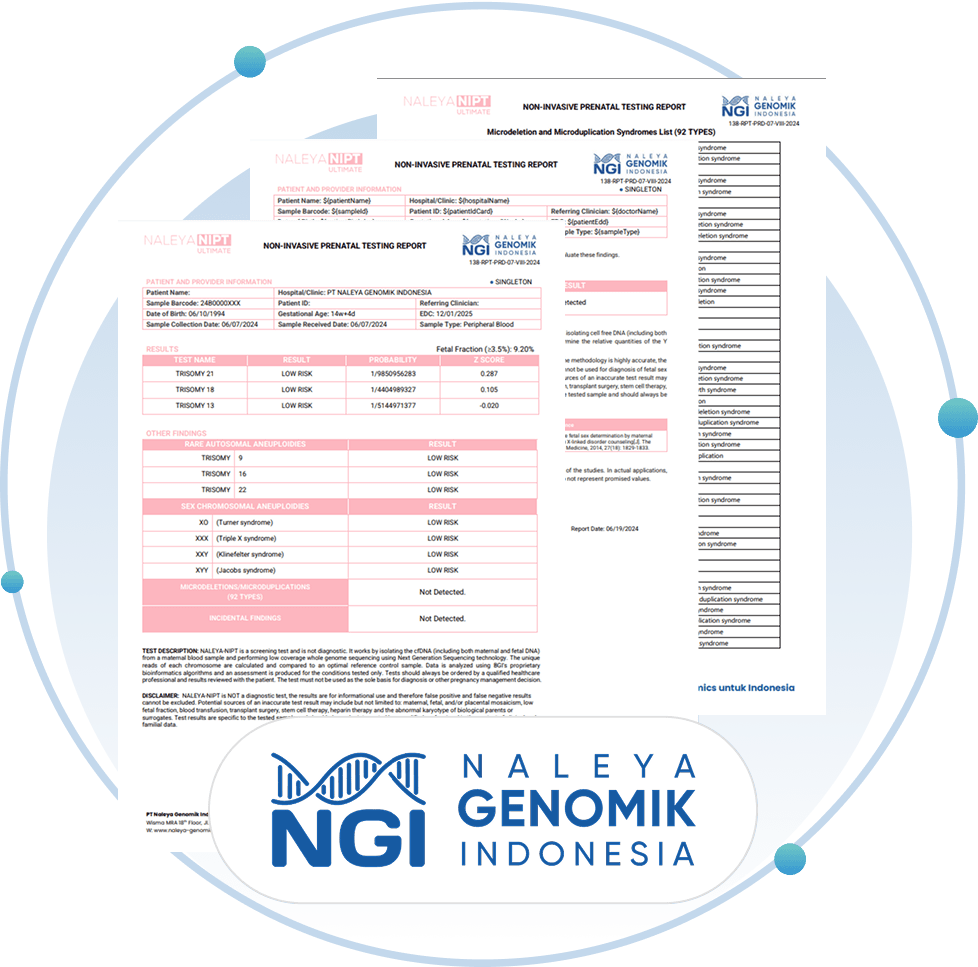
What Report Do I Get?
NIPT Sample Report
A safer, less invasive test compared to traditional amniocentesis, using only the mother’s blood sample to accurately check for fetal genetic conditions.
- Low risk for both mother and fetus.
- Detects various genetic conditions, including rare ones.
- Trusted results backed by research from 147,000 pregnancies.
Find the right DNA test for you and your loved ones
Unlock total genetic insights to guide your health, nutrition, and wellness journey with personalized and preventive precision
For Individuals
Find our DNA Test product to align with your Goals


